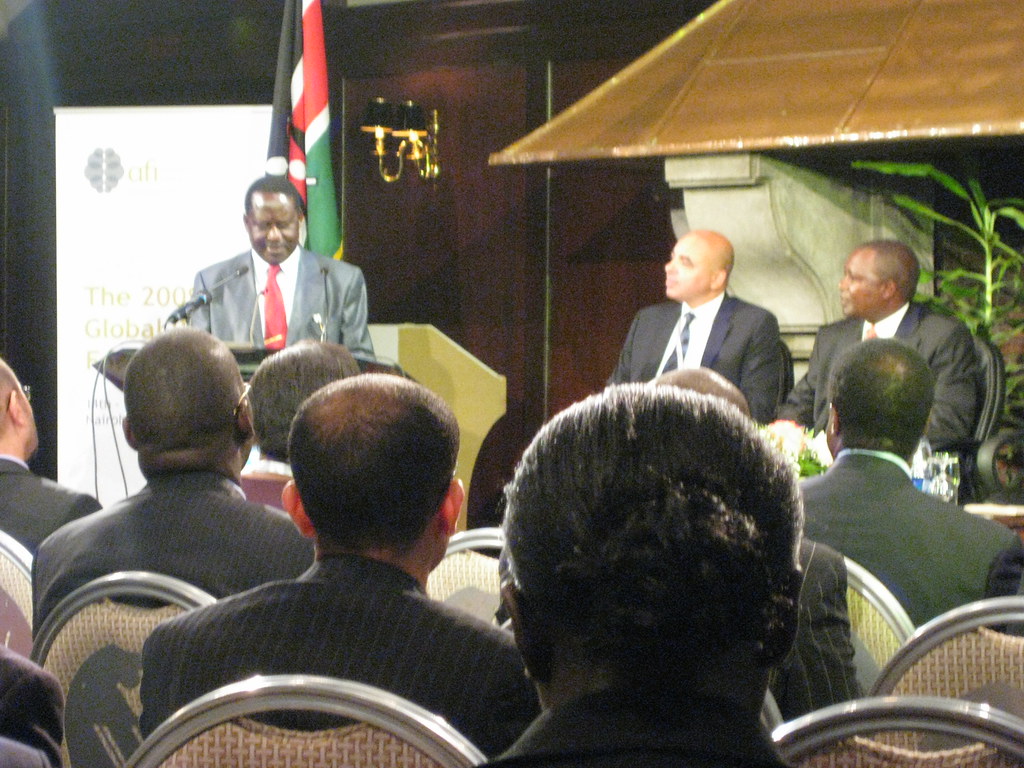
Kenya observed one year since the death of Raila Odinga, a former opposition leader and former president, with public tributes highlighting his contributions to the country’s democratic movement. Citizens shared memories of his leadership and influence on Kenya’s political landscape, particularly his role in advancing democratic reforms and challenging the ruling elite.
In the wake of the anniversary, authorities in Machakos and Lamu reported heightened security operations, including arrests linked to protests and political dissent. In Limuru, police made several arrests amid tensions linked to Odinga’s political influence. Meanwhile, the Machakos Assembly faced threats of shutdown, reflecting ongoing political instability and the lingering impact of Odinga’s legacy on current governance.
Odinga, who led the opposition ODM party, was a central figure in Kenya’s political history, known for his activism and advocacy for democratic principles. His death in 2022 sparked nationwide mourning and renewed discussions about his role in shaping Kenya’s political trajectory. The anniversary has also prompted renewed scrutiny of the political climate, with security measures intensifying in areas where his influence remains strong. The situation underscores the complex relationship between political memory and current governance in Kenya.