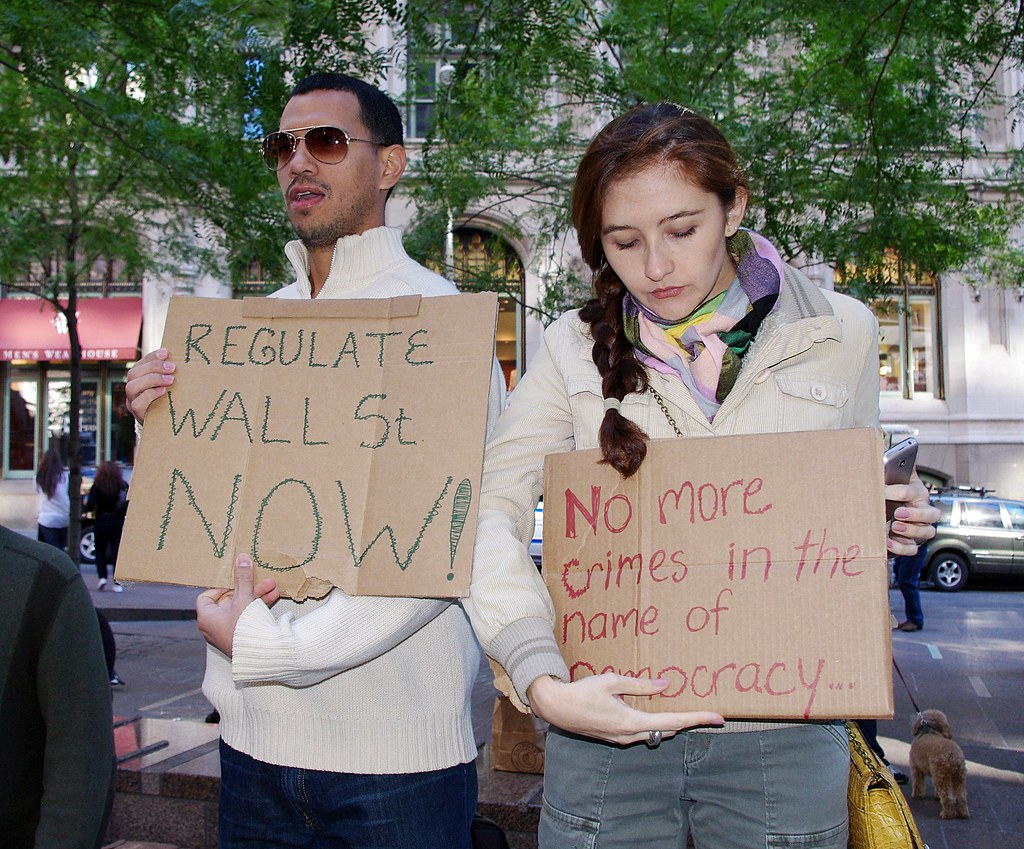
Religious leaders and civil society organisations in Kenya have publicly opposed a proposed Ksh10 million car allowance for judges. The move has sparked controversy as critics argue it misuses public funds during a period of economic hardship. On October 13, 2026, 16 organisations issued a joint statement urging the Supreme Court to reconsider the proposal.
The proposed allowance, which would provide judges with a monthly car grant, has been criticized for being excessive. Protesters argue that the money could be better spent on essential services like healthcare and education. The statement warned that public funds must be safeguarded from unnecessary expenses.
This is not the first time judicial compensation has been a topic of debate. In 2024, similar concerns were raised over salary increases for senior judges. The current proposal comes amid rising inflation and a growing cost of living crisis. Many Kenyans are struggling to afford basic necessities, making the allocation of large sums to judicial perks a sensitive issue.
The controversy highlights the ongoing tension between judicial independence and public accountability. While the Supreme Court has not yet responded to the criticism, the debate reflects broader concerns about transparency and resource management in government. The situation remains under close watch as the court weighs its next steps.