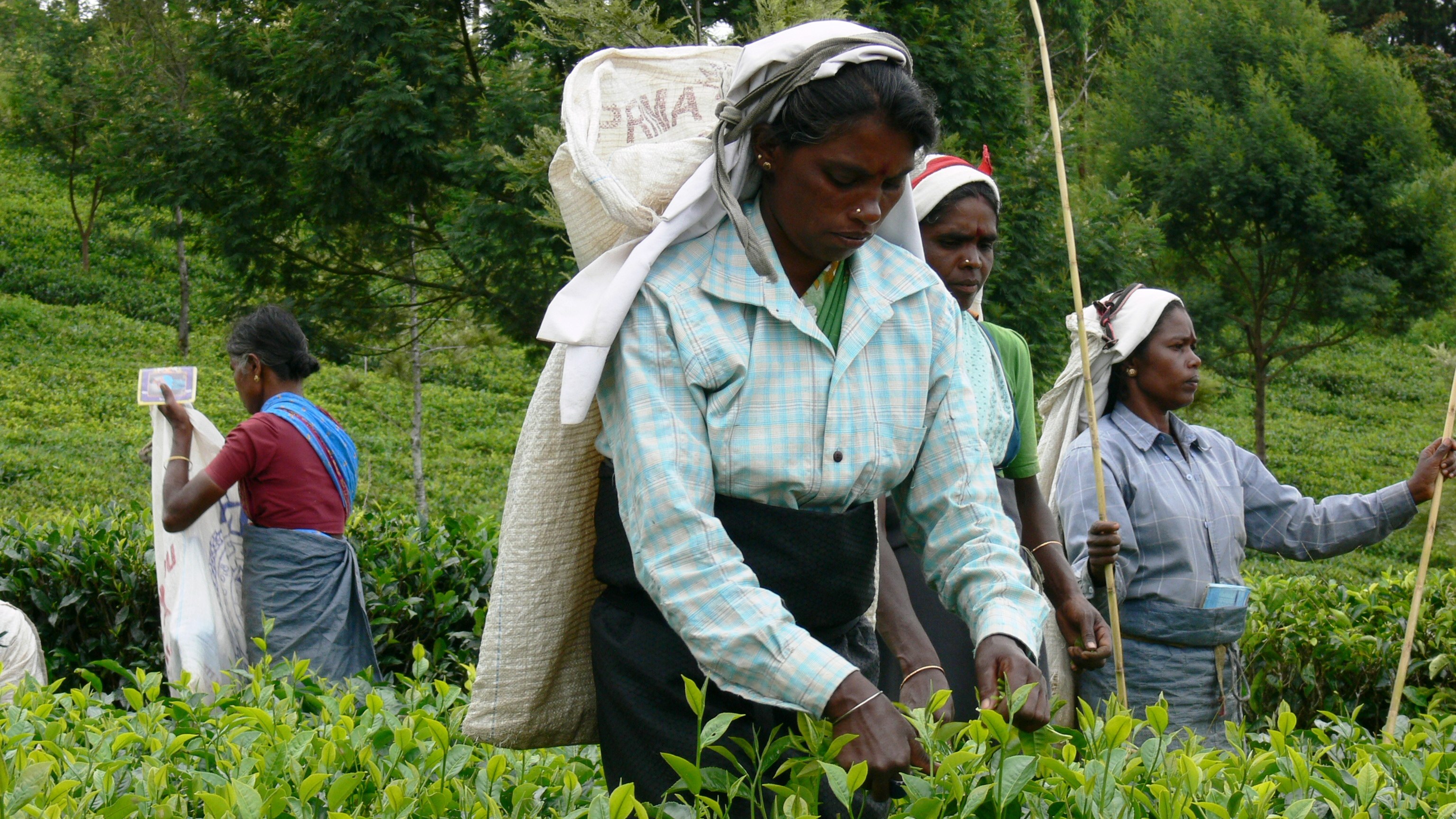
Kenya is exploring the development of climate-resilient tea varieties to ensure the sustainability of its tea industry amid changing weather patterns. The initiative, backed by government and industry experts, aims to reduce dependency on imported processing equipment and increase value addition through local manufacturing. By integrating artificial intelligence and innovative product development, Kenya hopes to cut production costs and improve farmers' incomes.
The focus on climate adaptation comes as global temperatures rise, threatening traditional tea-growing regions. Local processing is seen as a key step in reducing post-harvest losses and enhancing export competitiveness. Industry leaders emphasize that diversifying tea products, such as herbal blends and organic lines, could open new markets and strengthen the sector’s resilience.
Supporters argue that investing in research and technology will position Kenya as a leader in sustainable tea production. However, challenges remain, including limited access to funding and the need for farmer training. The government has pledged to fast-track policies that support small-scale producers, ensuring they benefit from the industry’s growth.
The plan underscores Kenya’s broader strategy to adapt its agriculture sector to climate change while boosting economic returns. With the tea industry contributing significantly to the country’s export earnings, the push for innovation and sustainability is seen as critical for long-term stability.