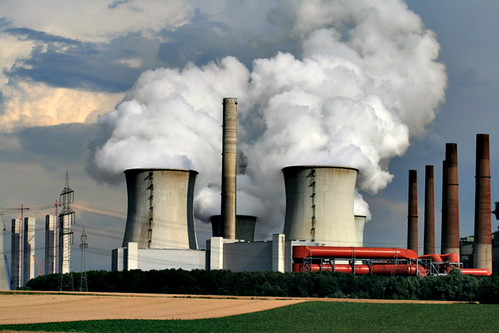
The Lamu refinery project, a cornerstone of Kenya’s energy strategy, continues to advance despite ongoing legal disputes and public protests. Nigerian billionaire Aliko Dangote, the project’s main investor, has reiterated his commitment to listing the refinery on the Nairobi Securities Exchange, emphasizing the need for African companies to raise capital locally. The government confirmed the project’s progress, even as tensions rose with residents who staged demonstrations, some of which turned violent. Police used tear gas to disperse protesters, who raised concerns over environmental and social impacts.
Dangote’s push for a local listing reflects broader efforts to boost regional financial integration. During a recent meeting with Kenyan and East African investors, he argued that African businesses should prioritize capital from within the continent. This aligns with Kenya’s push to strengthen its financial sector and attract more regional investment. However, the project remains under legal scrutiny, with ongoing court cases challenging its environmental and social impact assessments.
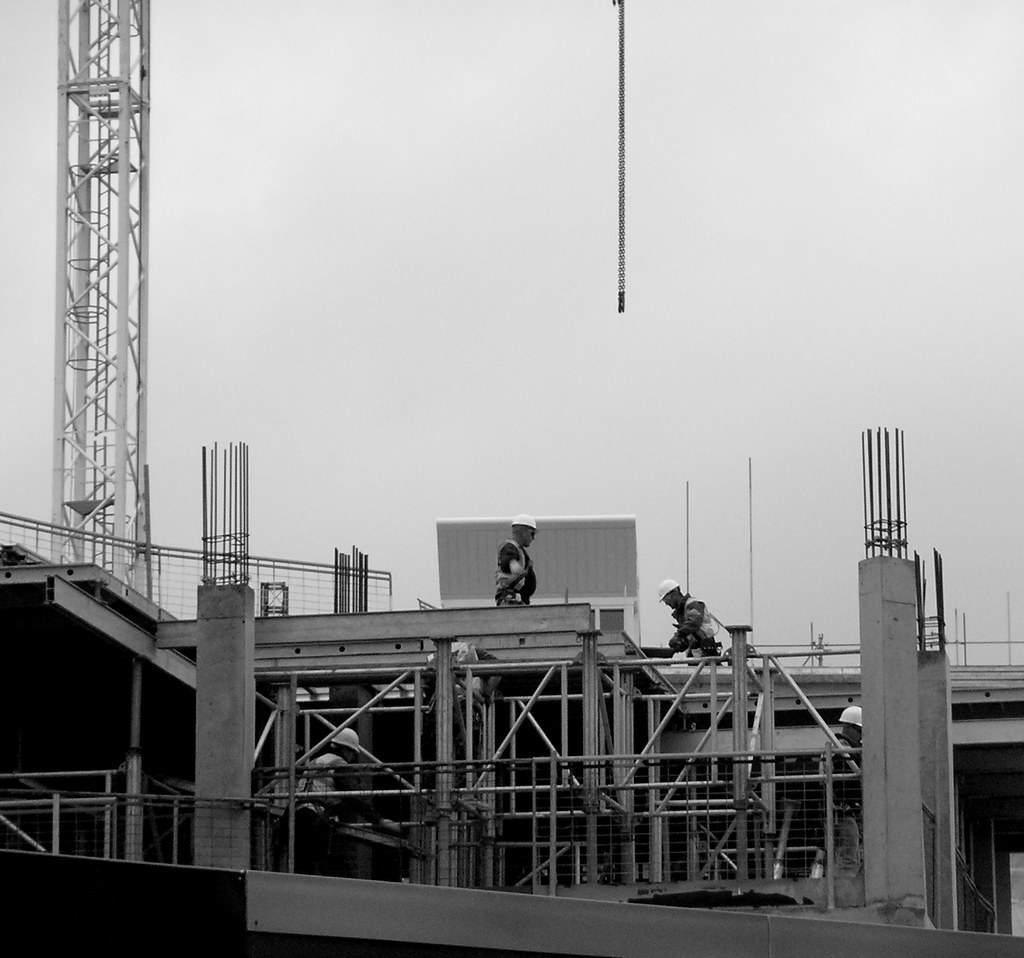
Despite these challenges, construction on the $2.2 trillion project continues. The refinery, once operational, is expected to significantly boost Kenya’s refining capacity and reduce reliance on imported fuel. Dangote has defended the project’s benefits, though critics remain divided on its long-term sustainability and local impact. The situation highlights the complex interplay between economic development and public dissent in East Africa.