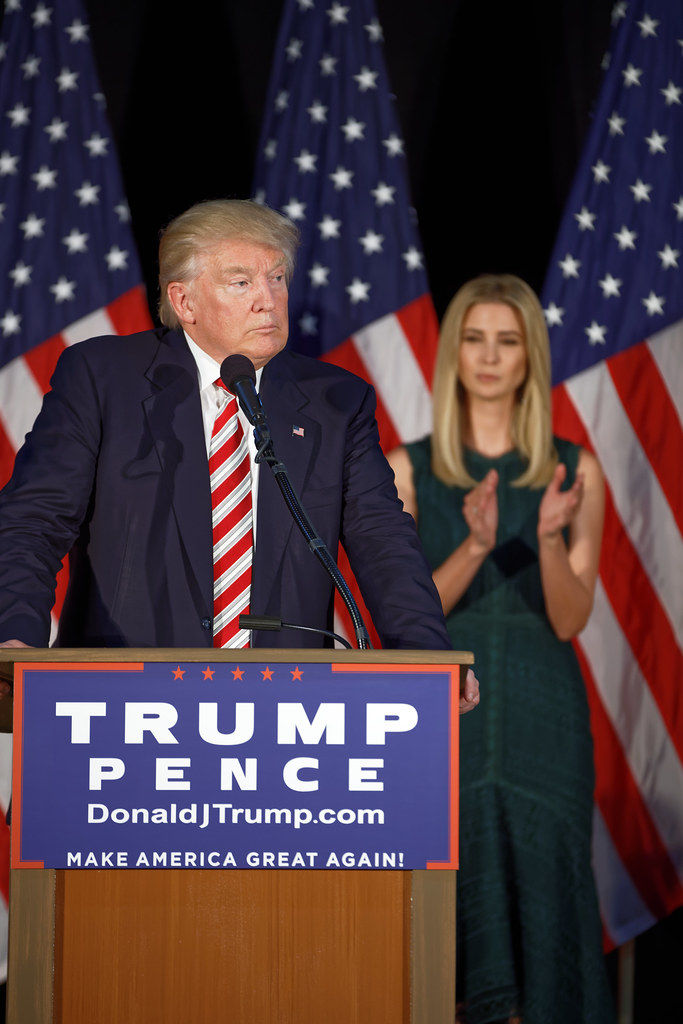
Democrats have secured a sweeping victory in the 2026 midterm elections, gaining control of both the House and Senate, marking a major shift in US politics. President Donald Trump has blamed his administration’s war with Iran for the Republican Party’s defeat, citing voter dissatisfaction with foreign policy, inflation, and cost-of-living pressures. In a post on X, Trump’s running mate JD Vance echoed these claims, suggesting that voters who supported him in 2024 abandoned the party over these issues.
Internal polling showed a sharp decline in Republican approval after the Trump administration’s February attack on Iran. This move, coupled with rising inflation and economic strain, fueled public discontent. Democrats capitalized on this frustration, winning key Senate races in traditionally Republican states. The result has left Trump facing a deeply divided party and a political landscape now firmly under Democratic control.
This midterm shift follows a pattern of growing voter disillusionment with Trump’s policies. His administration’s foreign policy, particularly the Iran conflict, has drawn sharp criticism. Meanwhile, Democratic lawmakers have vowed to use their new majority to rein in Trump’s agenda, potentially leading to legislative gridlock. Trump, meanwhile, has shown no signs of retreating from his stance, even as investigations into his administration’s actions intensify. The fallout from the Iran war continues to shape the political landscape, with long-term implications for US foreign policy and domestic governance.